
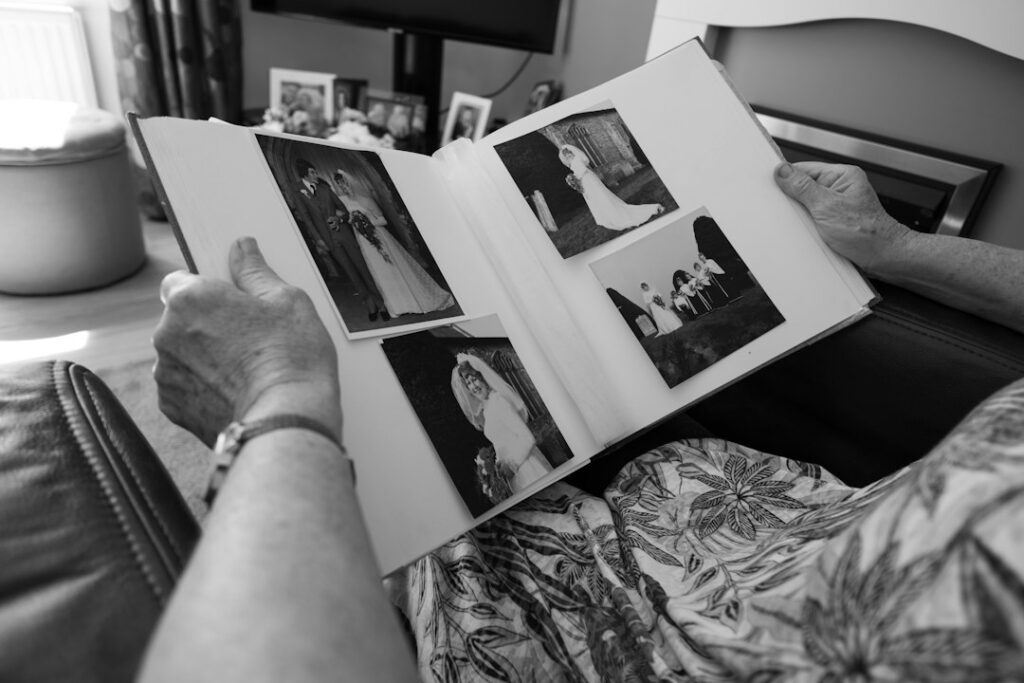
Moving into assisted living does not mean giving up personal style, familiar routines, or meaningful belongings. In Minersville, PA, residents can often make an assisted living apartment feel more comfortable by combining treasured items with practical choices that support safety, mobility, and independence.
What can residents bring into an assisted living apartment?
Residents generally may furnish their living unit and keep personal clothing and possessions. The exact amount depends on the apartment’s size, the residence’s policies, and whether items can be used safely.
Before moving day, ask for the apartment’s measurements and check rules about:
- Furniture dimensions
- Wall decorations and picture hanging
- Lamps and small appliances
- Rugs and floor coverings
- Candles, heating devices, or cooking equipment
- Pets, plants, and aquariums
- Mobility equipment
- Storage containers and shelving
A smaller number of useful belongings is usually easier to organize than a crowded room. Choose items that support daily life rather than trying to recreate an entire house.
How should a resident decide what to bring?
Start with the activities and objects that make the person feel most at home. A familiar chair, a bedside table, a quilt, family photographs, or a favorite reading lamp may provide more comfort than a large amount of general furniture.
A simple sorting method can help:
- Use often: Items needed for dressing, reading, relaxing, sleeping, or personal care.
- Use sometimes: Seasonal clothing, holiday decorations, hobby supplies, and guest items.
- Keep elsewhere: Irreplaceable valuables, large collections, duplicate furniture, and items that are difficult to clean or move.
Family members should avoid making every decision for the resident. Even when assistance is needed, the resident should have a meaningful role in choosing colors, photographs, furniture, and the arrangement of personal belongings.
What furniture is most useful?
The best furniture is stable, comfortable, and easy to navigate around. A supportive chair with firm arms may be more helpful than a low, soft sofa that is difficult to stand from. A small table beside the bed or chair can keep glasses, a phone, tissues, and reading materials within reach.
Useful choices may include:
- A firm armchair
- A compact dresser or chest
- A bedside table with accessible drawers
- A clock with large, readable numbers
- A lightweight laundry basket
- A sturdy table for hobbies, meals, or paperwork
- Storage that does not require climbing or deep bending
Avoid placing furniture where it narrows the path between the bed, bathroom, closet, and doorway. Walkers and wheelchairs need more room than someone walking without assistance. Staff may also need clear access during care or emergencies.
How can decorations support memory and orientation?
Personal decorations can help a resident recognize the apartment and feel connected to earlier parts of life. Familiar objects may also help visitors locate the correct door and make the space easier to identify.
Consider displaying:
- A clearly visible family photograph
- Artwork made by children or grandchildren
- A favorite landscape or local scene
- A small collection connected to a hobby
- A meaningful religious or cultural item
- A memory box with labeled photographs and keepsakes
- A familiar blanket, pillow, or decorative cushion
Too many small decorations can create clutter. A few larger, recognizable items are often easier to see and maintain than many objects spread across shelves and tables.
Labels can be helpful for residents experiencing memory loss. A photograph with names, a sign identifying the bathroom, or a simple note describing the contents of a drawer may support independence. Labels should be respectful and designed to assist, not embarrass.
What safety issues should be checked first?
Decorating should never interfere with movement, emergency access, or staff support. Pennsylvania assisted living regulations allow residents to furnish their living units, but personal property may be restricted when it violates applicable rules or creates an immediate health or safety threat.
Check each item for these concerns:
- Loose cords across walking paths
- Unsecured rugs that can slide or curl
- Tall furniture that may tip
- Heavy objects placed overhead
- Clutter near the bed or bathroom
- Furniture blocking vents, doors, or grab bars
- Open flames, hot plates, or unapproved heating devices
- Small objects that may be confused with medication or discarded accidentally

A winter move may require extra attention to coats, boots, hats, and layered clothing. Minersville’s cold-weather conditions can make an entry area feel crowded if bulky items are placed on chairs or near walkways. A designated hook, basket, or closet section can keep seasonal clothing organized without creating a tripping hazard.
How can lighting and color improve comfort?
Good lighting can make an apartment easier to use, especially during early mornings, evenings, or periods of reduced vision. Natural light is helpful, but it should be balanced with dependable lamps and night lighting.
Useful improvements may include:
- A lamp near the reading chair
- A night-light between the bed and bathroom
- Bulbs that reduce glare
- High-contrast labels on drawers
- Curtains or shades that control bright sunlight
- A light switch that can be reached without crossing the room
Color can also support orientation. A favorite color on a blanket or chair may make the room feel personal. Contrasting colors between the floor, walls, furniture, and bathroom fixtures can make edges easier to see. Avoid creating a busy pattern on the floor, since patterns may be mistaken for steps or objects.
What should families do with valuable belongings?
Keep irreplaceable jewelry, large amounts of cash, original documents, and one-of-a-kind heirlooms in a secure arrangement outside the apartment unless the resident has a clear reason to keep them nearby. Everyday sentimental items can remain in the room if they are recorded and stored sensibly.
Create a simple inventory before move-in. Take photographs of valuable or distinctive possessions and note where they are kept. The inventory can include:
- Clothing and outerwear
- Electronics
- Jewelry
- Artwork
- Mobility devices
- Keepsakes
- Small appliances
- Furniture
An inventory is useful if items are misplaced, moved during room changes, or returned to family later. It also helps prevent disagreements about which belongings came with the resident.
How can a hobby or routine fit into the apartment?
A hobby does not need a large area. A small, organized station may be enough for reading, knitting, puzzles, music, writing, painting, or family correspondence. Store supplies in clearly labeled containers that are light enough to handle safely.
Keep frequently used materials at waist or shoulder height. Avoid storing hobby supplies in deep cabinets, unstable stacks, or containers that require difficult twisting or lifting. If scissors, tools, cords, or small pieces are involved, the arrangement should reflect the resident’s vision, balance, memory, and hand strength.
The apartment should also support ordinary routines. A place for the telephone, calendar, glasses, mail, and personal care items can reduce frustration and help the resident manage familiar tasks.
What if the resident’s needs change?
Personalizing an apartment is not a one-time project. A chair that works well after move-in may later become difficult to rise from. A decorative table may need to be removed if walking space becomes more limited. Additional lighting, grab bars, or storage changes may become useful as mobility or vision changes.
Review the room after illness, a fall, a change in mobility equipment, or a change in care needs. Discuss significant changes with the residence so that decorations and furniture do not conflict with the resident’s support plan or safety procedures.
A comfortable apartment is not defined by expensive furniture or perfect decoration. It is a familiar, organized space where the resident can recognize personal belongings, move as safely as possible, and continue the routines and relationships that give daily life meaning.
