
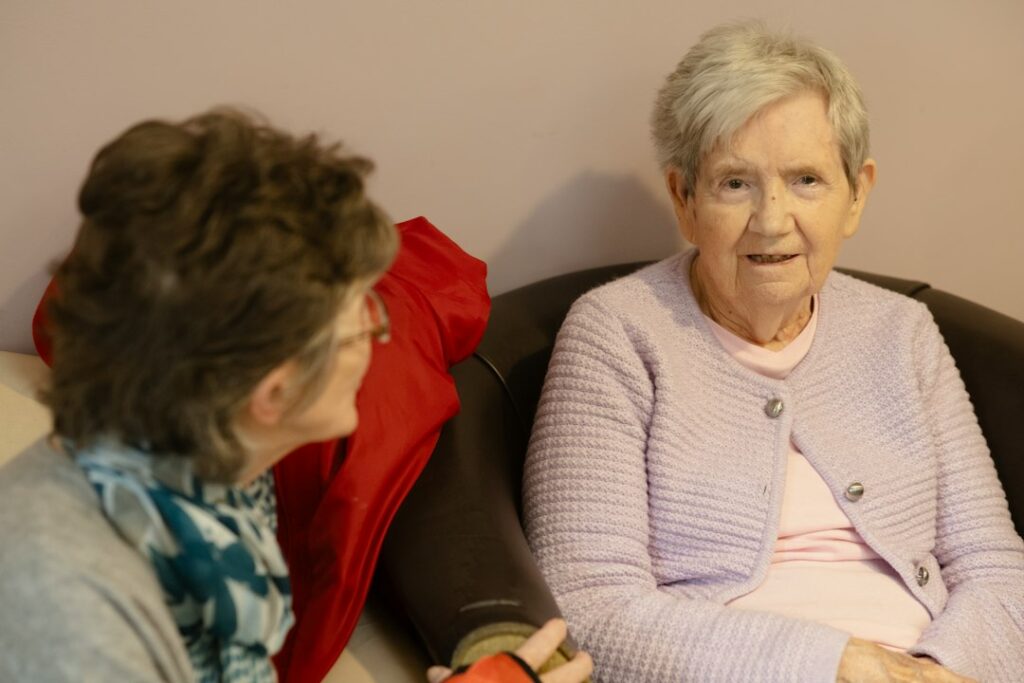
Change can be difficult at any age, but older adults may face several major adjustments at once: moving from a longtime home, losing a spouse, managing new health limitations, or adapting to assisted living. In Minersville, PA, families can support smoother transitions by preserving familiar routines, listening without judgment, and addressing practical concerns before they become overwhelming.
Why can change feel especially difficult for older adults?
Older adults often have strong emotional connections to their homes, neighborhoods, belongings, and daily habits. A change that seems practical to family members may feel like a loss of independence, privacy, identity, or control to the person experiencing it.
Common sources of change include:
- Moving from a private home to an assisted living setting
- Needing help with bathing, dressing, medications, or meals
- Adjusting after the death of a spouse or close friend
- Coping with reduced driving or transportation options
- Managing hearing, vision, memory, or mobility changes
- Spending less time with familiar neighbors
- Adapting to seasonal conditions that make outdoor activities more difficult
Resistance does not always mean stubbornness. Anger, withdrawal, repeated questions, or sadness may be signs of grief, fear, confusion, or exhaustion. Understanding the feeling beneath the behavior often leads to a more helpful response.
How can families prepare a senior for a major transition?
Preparation should begin before the change whenever possible. Clear information and gradual involvement can reduce fear.
Explain what will happen in simple, specific terms. Instead of saying, “Things will be different,” describe the daily details: where meals occur, how personal belongings will be arranged, who can help with medications, and what times family visits are likely to occur.
Invite the older adult into decisions that are still open. Choices may include:
- Which clothing and personal items to bring
- How to arrange a bedroom or sitting area
- What time to wake up or go to bed
- Which hobbies or activities to continue
- How often to speak with family by phone or video
- Which familiar foods, music, photographs, or decorations to keep nearby
Not every decision can be shared. Safety, medical needs, and legal requirements may limit available options. Even so, preserving meaningful choices can help a person feel respected and involved.
Avoid making promises that cannot be kept. Statements such as “Nothing will change” may provide short-term comfort but create distrust later. A more honest approach is, “Some things will be different, and the family will help you work through them.”
What helps after a move to assisted living?
The first days and weeks may bring mixed emotions. A senior may appear comfortable one day and upset the next. Adjustment is rarely a straight line.
A consistent routine is often more useful than constant entertainment. Regular times for waking, meals, rest, activities, and family contact create a sense of predictability. Familiar objects can also make a new room feel more personal. Photographs, a favorite chair, a quilt, books, a clock, or familiar scents may help connect the new setting with earlier parts of life.
Family visits should be supportive rather than overwhelming. Short, predictable visits may work better than occasional long visits. During a visit, focus on the person rather than evaluating the setting. Ask about comfort, sleep, meals, and activities, but also discuss ordinary subjects such as family stories, weather, music, or favorite recipes.
If the older adult repeatedly says, “I want to go home,” arguing may increase distress. A calm response might be, “You miss your home. Tell me what you miss most.” The answer may reveal a specific need, such as wanting a familiar blanket, greater privacy, a certain food, or more time outdoors.
How can routines reduce anxiety?
Routines give the day a recognizable structure, especially when memory or concentration has changed. They also help families notice when something is unusual.
A useful routine might include:
- Getting dressed at approximately the same time each morning
- Eating meals on a predictable schedule
- Taking a short walk or spending time near a window
- Calling a family member on set days
- Attending one manageable activity rather than several
- Keeping bedtime habits familiar
Seasonal changes can affect routines in this area. Snow, ice, cold temperatures, and shorter daylight hours may limit outdoor movement and increase isolation. Indoor alternatives such as seated exercises, folding laundry, sorting photographs, listening to music, or visiting common areas can maintain activity without creating unnecessary fall risks.

Lighting also matters. Brighter, even lighting can make hallways, steps, and room entrances easier to see during darker winter afternoons. Clear walkways and properly fitted footwear are important when mobility or balance is reduced.
How should families respond to sadness, anger, or withdrawal?
Start by acknowledging the emotion instead of correcting it. Saying, “You seem worried about what comes next,” can be more effective than saying, “There is nothing to worry about.”
Helpful responses include:
- Listening without interrupting
- Asking one question at a time
- Allowing extra time for answers
- Avoiding arguments about minor details
- Offering two reasonable choices
- Returning to the conversation later if emotions rise
- Praising effort rather than demanding immediate acceptance
Some frustration is a normal response to loss and adjustment. Persistent sadness, hopelessness, severe anxiety, sleep disruption, refusal to eat, or withdrawal from nearly all activities deserves closer attention. Sudden confusion, unusual aggression, hallucinations, or a rapid change in behavior may signal a medical problem, medication issue, infection, dehydration, or delirium rather than a normal adjustment period. These symptoms require prompt medical evaluation.
What if memory loss makes change harder?
People living with dementia or other memory problems may need repeated explanations. Repetition is not necessarily a sign that the person is being difficult; the information may not be staying in memory.
Use short statements and familiar language. Visual reminders, calendars, labeled drawers, and simple signs can reduce confusion. Introducing too many new people, activities, or instructions at once may be overwhelming.
It may help to connect a new activity with an old interest. Someone who enjoyed gardening might sort seeds or care for indoor plants. A person who worked with tools may enjoy organizing safe household items. These activities support identity even when the original task is no longer practical.
Correcting every inaccurate statement is usually unnecessary unless safety is involved. Gentle redirection can protect dignity and reduce conflict.
How can seniors maintain a sense of independence?
Independence does not require doing everything alone. It means having meaningful control over parts of daily life.
Families and caregivers can support independence by allowing extra time for safe tasks rather than taking over immediately. An older adult may be able to choose an outfit, brush hair, fold towels, select a meal, write a shopping list, or decide whether to join an activity.
Assistive devices and supportive arrangements should be presented as tools, not symbols of failure. A walker, grab bar, medication organizer, or adjusted seating arrangement may allow someone to continue participating safely.
Family members should also respect privacy. Knocking before entering, asking permission before moving belongings, and discussing care needs discreetly can make a major difference.
When should families seek additional help?
Additional help is appropriate when a transition creates safety concerns or when emotional distress does not improve. Medical guidance may be needed for sudden behavioral changes, falls, medication concerns, eating or drinking problems, or signs of depression.
Legal and financial guidance may also be necessary when decisions involve powers of attorney, advance directives, housing arrangements, or protection from financial exploitation. These matters should be addressed carefully and documented clearly.
The goal is not to make every change feel easy. The goal is to help the older adult remain safe, heard, connected, and involved while adjusting at a manageable pace.
