
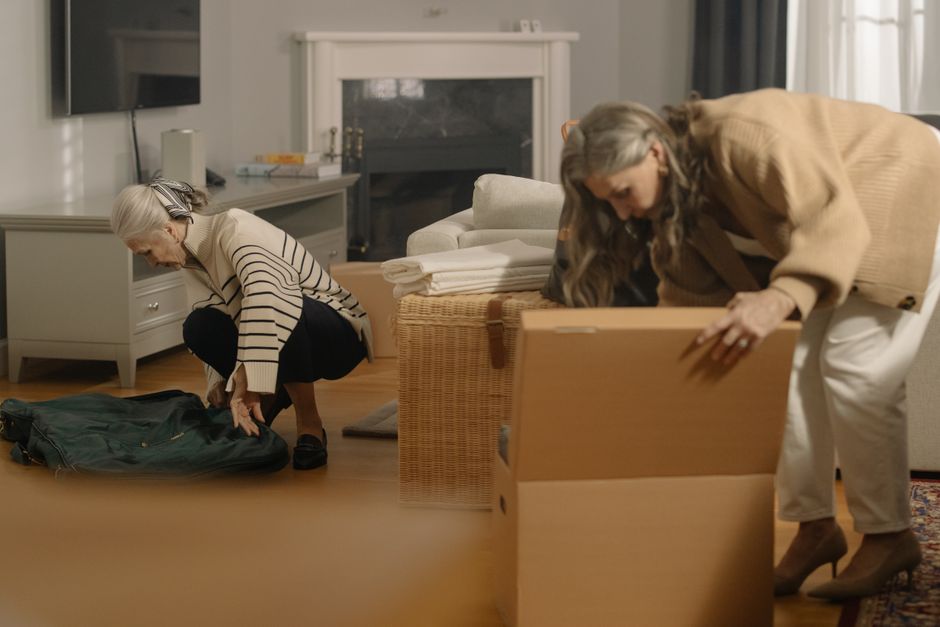
Moving to assisted living can feel like a major life change, but careful preparation can make the process more manageable. The smoothest transitions usually involve early planning, honest conversations about daily needs, and a move that focuses on comfort rather than bringing an entire household along.
What should be done before choosing a move-in date?
Start by identifying the tasks that must happen before the move, including paperwork, medical information, packing, transportation, and decisions about the current home. A written timeline can prevent several stressful responsibilities from piling up during the final week.
Begin by confirming:
- The expected move-in date and arrival time
- Which personal items can fit in the new living space
- What furniture is already provided
- Medication instructions and pharmacy arrangements
- Dietary needs, allergies, and mobility concerns
- Emergency contact information
- Required identification, insurance, and medical records
- Whether family members may help with unpacking
A move may take longer than expected if the household also needs to sort through years of belongings, arrange home maintenance, or prepare a residence for sale or rental. Starting several weeks ahead allows time for thoughtful decisions instead of rushed ones.
For residents of Minersville, seasonal conditions may affect moving plans. Winter weather, snow, ice, and shorter daylight hours can make loading vehicles and walking between buildings more difficult. Even during warmer months, rain and uneven outdoor surfaces can create safety concerns. Build flexibility into the schedule and keep a backup plan for transportation.
How can someone decide what to bring?
Bring familiar, useful items that support daily routines rather than trying to recreate an entire home. Assisted living rooms and apartments often have limited space, so measuring the room and planning furniture placement in advance is helpful.
Useful items may include:
- A favorite chair that is safe and easy to get in and out of
- Family photographs or familiar artwork
- A small clock or calendar with large, readable numbers
- Comfortable clothing labeled with the resident’s name
- Preferred toiletries and personal-care items
- A familiar blanket, pillow, or reading lamp
- A few books, puzzles, craft supplies, or music devices
- A small container for important papers
Avoid bringing large quantities of clothing, duplicate kitchen items, valuable jewelry, or furniture that blocks walking paths. Sentimental belongings deserve special consideration, but not every meaningful item must be moved immediately. Some possessions can remain with family and be rotated over time.
A useful sorting system has four categories: bring, give to family, donate, and discard. If an item has not been used in years and does not carry strong emotional value, moving may be the right time to let it go.
How should medication and health information be organized?
Medication information should be reviewed before move-in, not assembled at the last minute. Create a current list that includes each medication’s name, dosage, schedule, purpose if known, and prescribing clinician. Include over-the-counter medicines, vitamins, supplements, eye drops, inhalers, and topical treatments.
The list should also identify:
- Allergies and past medication reactions
- Food allergies or special dietary requirements
- Mobility limitations
- Hearing or vision needs
- Cognitive changes
- Medical devices or equipment
- Preferred hospital and emergency contacts
- Advance directive or power-of-attorney information, when applicable
Do not assume that a medication routine can continue exactly as it did at home. Assisted living communities may have specific procedures for storage, administration, refills, and self-management. Ask for written instructions and clarify who is responsible for ordering refills.
Keep copies of essential documents in a secure household file. Family members who help with care should know where the information is stored, while private medical details should not be left in an unsecured moving box.
What can make the first week easier?
The first week is usually easier when the resident’s daily routine remains as familiar as possible. Try to preserve regular wake-up times, preferred meals, rest periods, hobbies, and contact with family.
On move-in day, unpack the items used most often first:
1. Comfortable clothing for several days
2. Toiletries and personal-care supplies
3. Medication information and health documents
4. Bedding or a familiar blanket
5. Glasses, hearing devices, chargers, and mobility aids
6. A few personal decorations
7. Simple activities for quiet periods
Avoid turning the entire day into a long series of introductions and decisions. Moving is tiring, especially for someone managing health concerns or memory loss. A quieter schedule may help the resident settle in.
A familiar scent, photograph, or piece of furniture can make an unfamiliar room feel more recognizable. It can also help to use the same names for everyday items and routines that the person used at home.
How can family members provide support without taking over?
Family support is most useful when it combines reassurance with respect for the resident’s independence. Loved ones can help organize the room, explain preferences, and listen to concerns, but the resident should remain involved in decisions whenever possible.
Helpful questions include:
- What part of the room feels most comfortable?
- Which activities sound interesting?
- What time of day feels most tiring?
- Is anything difficult to find or reach?
- Would you rather have a quiet visit or attend an activity?
- What would make the next few days easier?
Avoid making frequent changes based on one difficult moment. It is normal for someone to feel uncertain, tired, or emotional during the first days. Give the adjustment period time, while still reporting ongoing concerns about safety, nutrition, sleep, mood, or confusion.
Short, consistent visits may be easier than long visits every few weeks. Phone or video calls can also maintain connection when weather, transportation, or household responsibilities make in-person visits difficult.
What safety details are often overlooked?
The room should be arranged around safe movement from the bed to the bathroom, chair, and doorway. Keep frequently used items within easy reach and avoid loose rugs, crowded furniture, trailing cords, or low objects that could cause a fall.
Check that:
- Shoes fit securely and have suitable nonslip soles
- Glasses and hearing devices are stored in consistent places
- Night-lights or other lighting make the path to the bathroom visible
- Clothing is easy to put on and suitable for the season
- Mobility aids are positioned where they can be reached safely
- Important phone numbers are clearly written and easy to find
Cold weather can make outdoor visits more difficult in this part of Pennsylvania, so residents may need warm layers, gloves, and footwear that provides stability. During hot weather, lightweight clothing and attention to hydration may be necessary.
Do not conceal or ignore a fall, medication concern, sudden confusion, or significant change in appetite. These changes should be communicated promptly through the appropriate care process.
How long does adjustment usually take?
Adjustment varies widely. Some residents become comfortable within days, while others need several weeks or longer to develop new routines and relationships. Feeling homesick does not automatically mean the move was a mistake.
Progress may appear in small ways, such as eating more regularly, sleeping better, recognizing staff members, attending an activity, or showing interest in decorating the room. Keep expectations realistic and allow the resident to build confidence gradually.
The move is more likely to go smoothly when practical details are handled early, the new living space feels familiar, and the resident remains part of decisions about daily life. A calm pace, clear information, and steady family support can make the transition more comfortable for everyone involved.
