
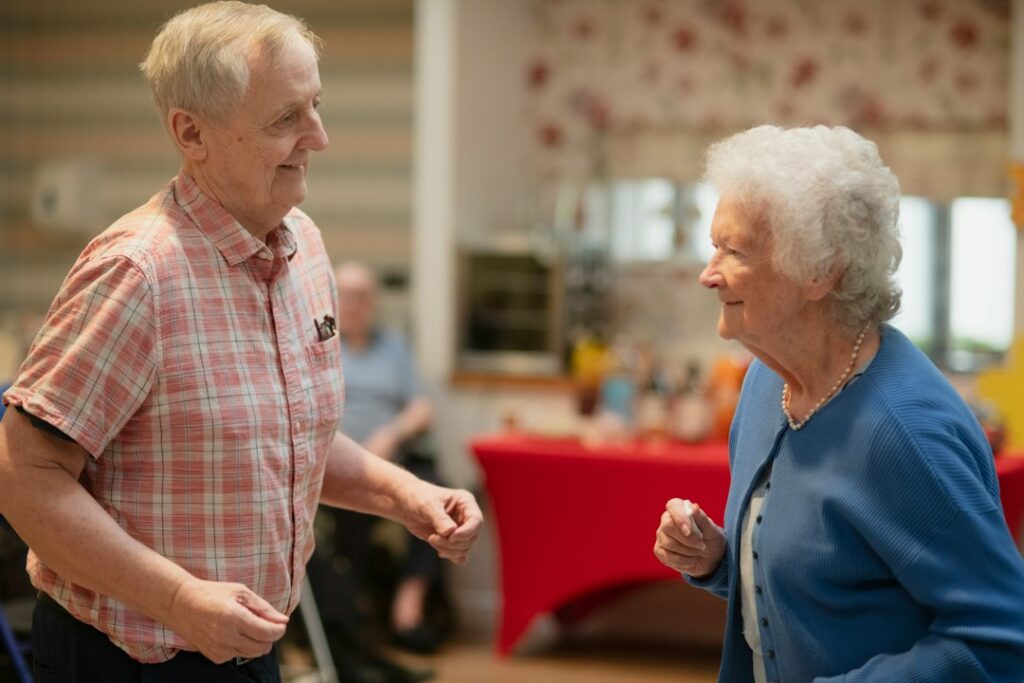
Can couples live together in assisted living?
Yes, many assisted living communities are designed to accommodate couples, although the available arrangements vary. A couple may share an apartment, live in adjoining units, or receive support within the same community while maintaining separate private spaces.
For couples in Minersville, PA, this can provide a middle option between remaining entirely at home and living apart because one partner needs more help. The goal is often to support daily safety and health needs without unnecessarily separating spouses or long-term partners.
Before choosing an arrangement, couples should ask how the community handles shared rooms, apartment availability, different care needs, personal preferences, and future changes in health.
How does assisted living support partners with different care needs?
Couples do not have to need the same level of assistance. One partner may need help with bathing, dressing, medications, or mobility, while the other remains mostly independent. Assisted living can provide support based on each person’s individual needs rather than treating the couple as a single care plan.
For example:
- One partner may receive medication reminders while the other manages medications independently.
- One person may need help transferring from a chair or bed, while the other only needs assistance with housekeeping.
- One partner may benefit from scheduled meals and activities, while the other continues spending time privately or leaving the community with family.
- Care needs can be reassessed if a partner’s condition changes.
This arrangement may reduce the pressure on the healthier partner to provide constant hands-on care. It can also make responsibilities clearer for family members, who may otherwise rely heavily on one spouse to manage another’s personal care.
Can couples share an apartment?
Some assisted living communities offer shared apartments or companion accommodations, but availability, layout, and eligibility differ. A shared apartment may include a bedroom, living area, bathroom, kitchenette, or other features. Couples should ask whether both residents have enough privacy and whether the space can safely accommodate mobility equipment.
Important questions include:
- Can two people share the unit if their care needs are different?
- Is there enough room for walkers, wheelchairs, or other equipment?
- Are private sleeping arrangements possible?
- How are bathrooms designed for two residents?
- Can each person control lighting, temperature, and personal belongings?
- What happens if one partner later needs a different level of care?
A room that feels comfortable during a tour may function differently after furniture, medical equipment, clothing, and personal items are added. It is reasonable to picture everyday routines, such as getting ready in the morning, moving around at night, and receiving assistance without disrupting the other partner.
What if one partner needs memory support?
Memory loss does not automatically mean a couple must live separately, but it can affect the type of setting that is appropriate. A partner with dementia may need secure areas, more frequent supervision, structured routines, or specialized support that is not available in every assisted living environment.
If one partner needs memory care and the other does not, the couple may still be able to remain in the same broader community. In some settings, the partners may share time during meals and activities even if they sleep in different areas. In other cases, living together may be possible for a period of time but require reassessment as symptoms progress.
Families should ask how staff respond to wandering, nighttime confusion, agitation, falls, and changes in communication. They should also discuss whether the community can support both residents if the needs of the partner with memory loss become more complex.
How can assisted living protect a couple’s relationship?
Assisted living can help shift a relationship away from a caregiver-and-patient pattern. When routine tasks, meals, housekeeping, and some personal care are supported by staff, couples may have more opportunity to spend time together as spouses or partners.
That time might include:
- Eating meals together
- Taking part in music, games, or exercise programs
- Sitting outdoors during mild weather
- Visiting with relatives
- Sharing familiar hobbies
- Attending religious or cultural activities when transportation and health allow

This does not mean every couple will have the same routine. One partner may prefer social activities while the other enjoys quiet time. A healthy arrangement allows both people to maintain individual interests while preserving shared routines.
What should couples consider during winter and bad weather?
Seasonal conditions can affect daily life for older adults in Minersville. Snow, ice, cold temperatures, and shorter daylight hours may make outdoor mobility and transportation more difficult. Assisted living may reduce the need for residents to manage home maintenance, heating concerns, shoveling, or slippery walkways themselves.
Couples should still ask how the community handles winter access, emergency communication, power interruptions, transportation cancellations, and indoor activities during poor weather. If either partner uses a walker or wheelchair, safe routes between the apartment, dining area, activity rooms, and entrances deserve close attention.
A couple should also plan for clothing storage, footwear, personal emergency supplies, and family visits during difficult travel conditions.
How are decisions made if one partner cannot speak for themselves?
Couples should discuss decision-making before a crisis occurs. Marriage or long-term partnership does not always answer every legal or medical question automatically. Each person may need appropriate documents addressing health care decisions, finances, and personal preferences.
The details depend on individual circumstances and state requirements. Families may need guidance about powers of attorney, advance directives, emergency contacts, and privacy permissions. These documents should be reviewed after major health changes or changes in family circumstances.
It is also helpful to write down practical preferences, such as preferred routines, dietary concerns, religious practices, emergency contacts, and what quality of life means to each person.
What questions should couples ask before moving?
A thorough conversation with the assisted living staff should cover both current needs and possible future changes. Useful questions include:
- Can couples live in the same apartment or on the same floor?
- How are fees or service plans handled when care needs differ?
- Are couples assessed separately?
- What happens if one person needs skilled nursing or a secure memory setting?
- How are falls, medication concerns, and nighttime emergencies handled?
- Can residents keep familiar furniture and personal belongings?
- What transportation is available for appointments, errands, or family visits?
- How are meals, activities, and personal schedules adapted for individual preferences?
- How much notice is given if a care plan or living arrangement must change?
The most workable plan is usually flexible. A couple may begin by sharing an apartment, later use more staff support, and eventually require different accommodations if one person’s health changes substantially.
Assisted living cannot remove every challenge of aging, but it can help couples remain connected while addressing safety, care, and daily living needs. The right arrangement respects both people as individuals and preserves the routines, privacy, and companionship that give a shared life its meaning.
