
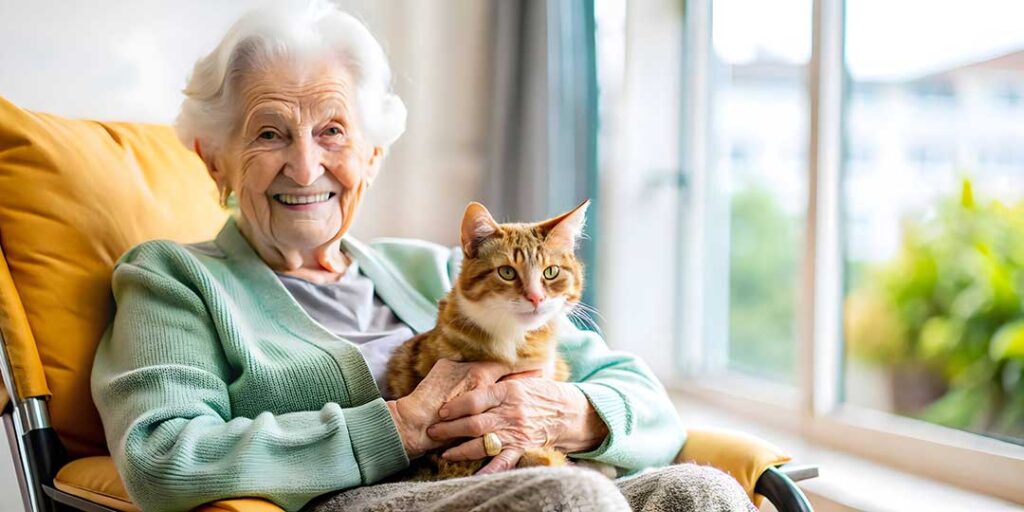
Visiting someone in assisted living can provide companionship, reassurance, and a welcome connection to life outside the residence. Good visiting etiquette is less about following strict social rules and more about respecting the resident’s health, preferences, privacy, schedule, and independence.
What should visitors do before arriving?
Visitors should confirm the community’s visiting hours, sign-in procedures, and any temporary health or safety rules before arriving. Policies may differ by residence and can change during respiratory illness outbreaks, severe weather, or other unusual circumstances.
A quick check before leaving can prevent a difficult or unnecessary visit. Ask whether:
- Advance notice is needed
- Children or pets are permitted
- Guests must use a specific entrance
- Face coverings or health screenings are required
- The resident is feeling well enough for company
- Meals, activities, or care routines may affect the timing
Unexpected visits are not always convenient, even when the resident appreciates seeing someone. A resident may be resting, receiving care, attending an activity, or having a private conversation. Calling ahead is especially considerate when the resident has memory loss, fatigue, mobility limitations, or a changing daily routine.
During winter weather in Minersville, PA, visitors should also allow extra time for snow, ice, and reduced visibility. Arriving safely and without rushing is better than creating pressure for the resident or staff.
How long should an assisted living visit last?
There is no universal ideal length. A short, comfortable visit is often more meaningful than a long visit that leaves the resident tired or overstimulated.
Many residents benefit from visits lasting approximately 20 to 60 minutes, but the appropriate length depends on the individual. Watch for signs that the person needs a break, such as:
- Looking away or closing their eyes
- Becoming unusually quiet or irritable
- Repeating questions more often
- Showing physical discomfort
- Losing track of the conversation
- Asking about the time or next activity
- Appearing anxious or overwhelmed
A resident may say, “I’m tired,” even when the visit has been enjoyable. Ending graciously allows the person to rest without feeling guilty. A simple statement such as, “It was good to see you. I’ll let you rest now,” can make leaving feel natural.
Shorter, more frequent visits may work well for someone who tires easily. For others, a longer visit may be appropriate when it fits their energy level and routine.
What is appropriate to talk about?
Conversation should follow the resident’s interests rather than focus only on illness, care needs, or family concerns. Ask open-ended questions that are easy to answer and allow the resident to guide the discussion.
Useful topics may include:
- Familiar family stories
- Seasonal changes and local weather
- Favorite foods or recipes
- Music, television, books, or hobbies
- Photographs and keepsakes
- Gardening, household traditions, or past work
- Upcoming family events
- Everyday observations from home
Avoid testing memory or correcting every small mistake. Questions such as “Do you remember who I am?” can create embarrassment for a person experiencing cognitive changes. A warmer approach is to introduce yourself naturally: “It’s good to see you. I brought a few photos from home.”
If the resident repeats a story, patience is usually more helpful than pointing it out. Repetition may provide comfort or may reflect changes in short-term memory. Redirect the conversation gently when necessary.
Sensitive subjects, including finances, family disagreements, legal matters, or health decisions, should be discussed privately and respectfully. Public areas are not suitable for conversations that could embarrass the resident or expose personal information.
Should visitors bring food, gifts, or activities?
Visitors may bring something small and familiar, but food and gifts should fit the resident’s care plan and personal preferences. Dietary restrictions may involve diabetes management, swallowing concerns, allergies, kidney disease, or medication interactions. Always check with the resident or staff before bringing homemade food, candy, alcohol, or items intended to be shared.
Practical visit ideas include:
- Looking through labeled family photographs
- Listening to familiar music at a moderate volume
- Reading a newspaper or short story aloud
- Completing a simple puzzle
- Folding towels or sorting cards together
- Taking a walk if the resident is cleared to do so
- Bringing a seasonal card or handwritten note

Large bouquets, complicated games, strong fragrances, or clutter-producing items may not be suitable. Some residents have limited space, allergies, or difficulty managing extra belongings. A useful gift is one the resident can enjoy without creating work or safety concerns.
How should visitors behave around staff and other residents?
Visitors should treat staff members, roommates, and other residents with courtesy. Staff may need to interrupt a conversation to provide care, answer a call, or respond to another resident. That interruption is part of assisted living operations and should not be treated as a personal slight.
Visitors should not:
- Enter another resident’s room without permission
- Photograph or record people without consent
- Discuss another resident’s condition
- Move medical equipment or mobility devices
- Offer medication or medical advice
- Promise changes to care routines
- Criticize staff in front of the resident
If a concern arises, discuss it calmly and privately through the appropriate communication process. The resident should not feel caught between family members, visitors, and caregivers.
Privacy also includes digital behavior. Do not post photos, conversations, or identifying details online unless everyone shown or discussed has clearly agreed.
What should families know about visits with memory loss?
A person with dementia or another cognitive condition may not recognize a visitor, understand the date, or remember the visit later. That does not mean the visit had no value. A calm voice, familiar face, gentle touch when welcomed, and reassuring presence can still provide comfort.
Visitors should avoid arguing about facts that are not essential. If the resident believes they need to go home immediately or asks about someone who has died, correcting them harshly may increase distress. Acknowledge the feeling first, then redirect toward reassurance or a familiar activity.
For example, “You’re worried about being safe. You are in a safe place, and I’m here with you,” may be more helpful than a lengthy explanation.
Visits should be adjusted if certain topics, times of day, or environments cause confusion. A quieter room, fewer visitors, or a familiar routine may make the experience easier.
Can children and pets visit?
Children and pets can bring pleasure, but visits should be planned around the resident’s comfort and the community’s rules. Young children may need preparation about speaking softly, asking before touching, and respecting personal space.
Pets should be clean, controlled, and welcome in the setting. Some residents may have allergies, fear animals, or be vulnerable to falls if a pet moves unexpectedly near a walker or wheelchair. Keep animals away from food, medical equipment, and shared dining areas unless specifically permitted.
A visit does not need to be elaborate. Reading a short book, showing a drawing, or sitting together quietly may be enough.
What if a resident does not want visitors?
A resident has the right to decline a visit. Refusal may reflect fatigue, pain, embarrassment, depression, confusion, or simply a desire for privacy. Do not take it automatically as rejection.
Offer flexibility by asking whether another day, shorter visit, phone call, note, or video conversation would feel better. If a sudden and persistent change in willingness to receive visitors appears alongside unusual sadness, confusion, pain, or withdrawal, share the observation with the appropriate care staff.
Respecting a resident’s choice is part of respectful care. The goal of a visit is companionship, not completing an obligation.
What should visitors do if someone appears ill?
Visitors who have fever, vomiting, diarrhea, a significant cough, or a known contagious illness should postpone the visit and follow the community’s guidance. Older adults may face greater risks from respiratory and infectious illnesses, and symptoms can spread quickly in shared living environments.
If the resident becomes ill during a visit, notify staff and leave calmly if asked. Hand hygiene, covering coughs, and following posted precautions help protect residents, visitors, and employees.
Thoughtful visiting means arriving prepared, listening carefully, protecting privacy, and allowing the resident to set the pace. Courtesy is shown not only by what visitors bring, but also by how well they notice comfort, consent, energy, and personal choice.
