

How Does Assisted Living Support Mental Well-Being?
Assisted living environments in Minersville, PA are structured to help older adults maintain their mental well-being through a combination of community, routine, and specialized support. These residences aim to create a home-like setting where social connection, autonomy, and mental stimulation are integrated into daily life. This can address many concerns families and individuals may have about isolation, confusion, or lack of purpose as circumstances and physical needs shift with age.
What Social Opportunities Are Available, and Why Do They Matter?
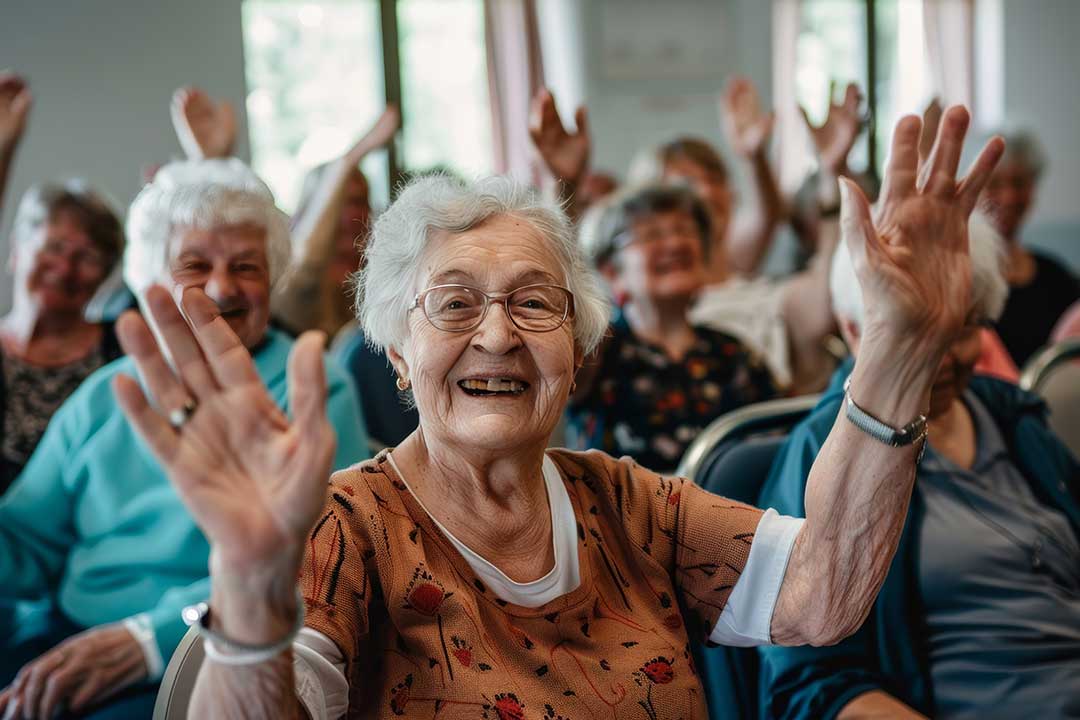
Participating in social activities is linked to improved mood, memory, and overall sense of belonging. In the local community, assisted living arrangements typically make it easier for residents to participate in group gatherings, communal meals, and neighborhood traditions.
- Group dining, seasonal decorations, and small events help mark time through the long winters and holiday periods common in the area.
- Scheduled recreational activities, from crafts to games, can encourage casual conversation and natural friendships.
- Programs often recognize personal histories, like celebrating birthdays or sharing local stories, which strengthen a sense of self.
These opportunities are valuable, especially for seniors who may have experienced reduced contact with friends or family members due to weather or mobility limitations common in Minersville.
How Does Assisted Living Address Feelings of Loneliness or Depression?
While loneliness can affect anyone, older adults facing mobility constraints in the region may feel its impact more sharply, particularly in colder months when venturing out becomes difficult. Assisted living residences offer built-in daily contact with staff and neighbors.
Even brief, informal chats or routine check-ins can make a noticeable difference in preventing isolation. Many facilities also provide access to visiting counselors, reading groups, or pet therapy, which support emotional health. Residents are encouraged to share concerns openly, reducing the stigma sometimes associated with mental health conversations.
Can Assisted Living Help Seniors Stay Mentally Engaged?
Cognitive engagement is a core aspect of maintaining sharpness and independence. Assisted living settings in Minersville typically offer structured activities tailored for different interests—puzzles, word games, music, or reminiscence sessions. These activities are designed not only to be enjoyable but also to maintain and gently challenge memory, problem-solving, and attention skills.
Residents might participate in:
- Seasonal arts projects reflecting local themes and traditions
- Book clubs focused on familiar or local authors
- Collaborative gardening activities during the temperate months
By providing a variety of low-pressure options, residents can select what appeals to them, supporting personal agency and self-driven learning.
How Is Privacy Balanced With Support?
A common concern for many entering assisted living is the potential loss of privacy or independence. Residences in this region are structured to respect individual routines while offering practical help as needed. Assistance with daily living tasks—such as medication management, mobility, or bathing—can alleviate stress and free energy for personal pursuits.
Doors may be closed, and private spaces respected, with staff available for help without hovering. This autonomy plays a vital role in self-esteem and mental health, allowing residents to maintain dignity and control in their daily lives.
Which Local Factors Impact Mental Health in Assisted Living?
Minersville’s seasonal climate can contribute to unique patterns of socialization and mood. Winter weather may limit outdoor activity, so assisted living environments often compensate by enhancing indoor programming and common room comforts.
Spring and summer bring opportunities for walks or patio gatherings, encouraging safe outdoor time and exposure to natural light. Residents benefit from routines that shift responsively with local weather, ensuring consistent engagement.
Additionally, community ties run deep in Minersville, with many residents having longstanding connections to nearby streets or neighborhoods. Assisted living settings often acknowledge and respect family traditions and local cultural events, supporting a sense of continuity as residents adapt to new living arrangements.
What Are Common Misconceptions About Mental Health in Assisted Living?
It’s often assumed that entering assisted living means giving up preferred hobbies or social circles, resulting in boredom or sadness. In reality, most residents gradually grow to appreciate the new links they form—with other seniors, staff, or visiting volunteers. While transitions can be challenging, many find relief in having support always accessible, especially after adjusting to a new setting.
Another misconception is that assisted living is only for those with significant physical needs. Many local residents choose to move while still active to benefit from community life and reduce the stress of maintaining a separate household, which can contribute positively to emotional well-being.
How Do Routines in Assisted Living Promote Stability?
Consistent routines, such as regular meal times and scheduled activities, offer structure and predictability, which help reduce anxiety. Residents in assisted living environments can rely on gentle reminders for meals, medication, or events. This not only aids memory but also builds a reassuring rhythm, especially for those who may have felt disoriented managing these tasks alone.
Stable routines also allow for staff and residents to notice shifts in mood or behavior quickly, so support can be provided early if mental health challenges arise.
How Can Families Support a Loved One’s Mental Well-Being in Assisted Living?
Family involvement remains important. Phone calls, visits, and even sending photos or letters are meaningful, particularly during seasons when travel is difficult. Open communication with caregivers helps families stay aware of their loved one’s participation and well-being.
Area residents may also connect their loved ones with clubs, church groups, or volunteer opportunities already familiar in the local context. These connections bridge the change to assisted living and reinforce both identity and purpose.
